As we get older, most of us begin to experience the acceleration of the passage of time. The sensation of time passing gets faster and faster, until for many of us weeks begin to feel like days and months begin to feel like weeks. This is very disconcerting and we'd like to be able to slow things down. We'd like to make the months and years whiz by a little less quickly. This isn't possible, of course, from the point of view of time itself, and the only comfort may lie in the fact that everyone else is experiencing similar phenomena. "Time flies" is a common expression. But there are solutions, relative ones, by which we may get a better grasp on our personal relationship to time and time's effect on our physical bodies.
The first solution is associated with the concept of present time consciousness. In other words, the more you actually experience the present moment itself, the more you will be participating in what these moments offer and the more you will be getting out of the experiences of which your life is comprised. "Being present" is a skill that gets stronger with practice. There's always the tendency for our minds to wander off on any other track than the one we want to be on, that is, being present. But with practice our ability to be present in the moment expands. One of the remarkable benefits of this practice is that our experience of time passing slows down. By being present, our hours, days, and weeks become much more meaningful. We experience more of life and the passage of time no longer washes over us like an unending series of 20-foot waves.
The second solution involves taking better care of ourselves. When we're healthy and well, each day is more enjoyable. When we're healthy and well, our physical state is not a daily concern and we're free to do what we want. We can read, study, exercise, engage in new work activities, or simply relax and watch a movie without the concerns and constraints of physical pain and disease. Our ability to participate in these unique experiences enriches our lives and makes the passage of time a joy rather than a burden. But as with the skill of being present, the skill of being healthy and well requires practice. Such practice takes the form of eating a nutritious diet,1,2 doing regular vigorous exercise,3 and getting sufficient rest. With these practices in place, we are well on our way to increasing our long-term levels of health and wellness.
Thus, although we cannot control the actual passage of time, we can control our relationship to the phenomenon of time passing. By learning the skill of present time consciousness and practicing healthy behaviors, we become able to add more life to our years and may even be adding more years to our lives.
1Paddon-Jones D, et al: Protein and healthy aging. Am J Clin Nutr 2015 Apr 29. pii: ajcn084061. [Epub ahead of print]
2Royston KJ, Tollefsbol TO: The Epigenetic Impact of Cruciferous Vegetables on Cancer Prevention. Curr Pharmacol Rep 1(1):46-51, 2015
3Gonzales JU: Do older adults with higher daily ambulatory activity have lower central blood pressure? Aging Clin Exp Res 2015 May 22. [Epub ahead of print]
Having a pair of healthy hips is a key to healthy aging. But healthy hips are not only important for people in their 60s, 70s, and beyond. Your hips are one of your most important structural components, regardless of how old you are. Whether you're 20, 30, or 40, your hip joints provide biomechanical support to your entire body. Thus, keeping your hips healthy is a necessary consideration for everyone who wants to be healthy and well throughout a long life.
Healthy hips do not happen automatically. Your body's physiology follows the biomechanical principle of "use it or lost it". Muscles, bones, and joints that do work on a regular basis are strengthened and enhanced. Those musculoskeletal elements that don't do much physical work are broken down, so that molecular building blocks such as amino acids and nutrients such as calcium can be put to better use elsewhere. In other words, if you're haven't done much exercise in a while, weight-bearing joints such as the hips, knees, and ankles will begin to degrade. However, even as these joints lose optimal structural integrity, gravitational forces persist. The long-term result of such weakened joints is strains and sprains, degenerative arthritis, and possibly other inflammatory conditions. These disorders likely involve daily ongoing pain, which may become moderate or severe.
In the absence of conservative treatment and rehabilitative exercise, such conditions may ultimately require joint replacement. These procedures are becoming increasingly common, with total hip replacements and total knee replacements being performed on younger and younger patients. For example, annual rates for total hip replacement in the United States in patients aged 45 and older have almost doubled between 2000 and 2010.1
Importantly, many hip joint problems can be prevented by instituting appropriate lifestyle changes. As the cause of many of these degenerative conditions is long-term lack of use, the solution lies in activity and physical work. In Western nations, physical labor is becoming increasingly uncommon. Most of us work in service-type industries and spend most of our days sitting at a desk. As a result, physical work is now typically obtained by engaging in regular, vigorous exercise. By performing five 30-minute sessions of vigorous weight-bearing exercise every week, we will restore and maintain sufficient healthy stress on our muscles, bones, and joints.
As these musculoskeletal structures undergo physical loads and perform mechanical work, your body responds by making them stronger.2-4 New blood vessels are built to supply these structures with increasing amounts of oxygen and other nutrients. New cells are built to support existing tissues. Worn-out cells are removed more efficiently. The entire musculoskeletal system is revitalized in response to regular, vigorous exercise. The long-term result is healthy hips, knees, and ankles, as well as a healthy spine. These weight-bearing structures work synergistically to help provide you with long-term health.
1Hospitalization for Total Hip Replacement Among Inpatients Aged 45 and Over: United States, 2000–2010. NCHS Data Brief No. 186, Centers for Disease Control and Prevention, February 2015
2Qian JG, et al: Effectiveness of Selected Fitness Exercises on Stress of Femoral Neck using Musculoskeletal Dynamics Simulations and Finite Element Model. J Hum Kinet 41:59-70, 2014
3Bolam KA, et al: The effect of physical exercise on bone density in middle-aged and older men: a systematic review. Osteoporosis Int 24(11):2749-2762, 2013
4Hill KD, et al: Individualized home-based exercise programs for older people to reduce falls and improve physical performance: A systematic review and meta-analysis. Maturitas 2015 Apr 29. doi: 10.1016/j.maturitas.2015.04.005. [Epub ahead of print]
The scientific concept of complexity is only a few decades old, but like many powerful ways of looking at the world it has spread rapidly throughout the public consciousness. Anyone who has watched even a couple of episodes of "The Big Bang Theory" would have heard multiple references to chaos theory, complex systems, and emergent phenomena. Remarkably, these very interesting topics from the fields of physics, mathematics, chemistry, and biology have special importance for human health and wellness.
Examples of complexity and chaos abound in the natural world. For example, weather systems are complex systems, which is why weather is notoriously difficult to predict even in the short-term. And long-range weather forecasts are not much better than guesswork, because the basic structure of a weather pattern can change in an instant. Study of avalanches has helped to advance chaos theory. And the flocking behavior of birds, especially the well-studied starlings, represents ever-shifting outcomes of a huge number of factors.
An emergent phenomenon is one that cannot be predicted from studying the various parts that make up the whole. Emergent phenomena include flocking behavior, in which large flocks create beautiful, always varying, dynamic patterns in flight; the architecture of beehives; and the World Wide Web. Even human consciousness may, from a certain perspective, be considered an emergent phenomenon.
From a health perspective, the relative wellness of any specific individual is an emergent phenomenon.1,2,3 For example, fighting off an infection is a dynamic process with many complex and chaotic interactions taking place before the final outcome is determined. We're not aware of these specific processes per se. We are aware of how things are going, that is, the sum total of the cellular and subcellular activities, based on how well or not well we feel.
Looking at one key area as an example of flocking behavior, are our white blood cells being effective in combating the infection? Is their behavior organized? Do they know where to go to battle the invading forces? Or is their behavior random and uncoordinated and are we not well and even sick as a result?
Long-lasting good health emerges from a variety of inputs, including nutritional balance, regular exercise, and sufficient rest. These activities are known as healthy behaviors or healthy lifestyle choices. As the interactions are complex, we can never predict a specific outcome. But we can base our choices on historical data and an analysis of facts. This information tells us that the outcomes we want - health and wellness - are likely to emerge from a set of healthy behaviors, i.e., healthy lifestyle choices taken consistently over the long-term.
Here come the holidays - Thanksgiving, Channukah, Christmas, and New Year's. And the travel - Thanksgiving is one of the biggest travel days and the day before Christmas is just as busy.
If you're flying, you know what to expect - long lines, delays, crowded flights. But knowing what's to come doesn't necessarily provide reassurance. Traveling - particularly traveling by plane - makes many people crazy. Sitting in the terminal, waiting for your boarding call, you can see the deep lines of care, worry, and anxiety etched into peoples' faces.
However, whereas air travel may not be the funnest thing in the world, there are many action steps individuals and families can take to de-stress the experience. Traveling doesn't have to mean losing your mind and getting all wound up with tension and mental and physical strain.1,2
Here's a Top Eight List of things to do in the days before your flight and then during your flight -
Before the flight -
Starting your packing early will make a huge difference in how you feel on the day of the flight. Imagine what it would be like if you didn't have to dash all over your house minutes before you're supposed to leave for the airport, searching for that critical thing you must bring with you.
Make a list and make a plan. Promise yourself you're going to have everything packed, including the kids' backpacks, by the time you go to sleep on the night before you travel. You'll be amazed at how relaxed everyone is on the actual travel day, in sharp contrast to the usual mayhem and fighting.
A good supply of healthy snacks will keep everyone's energy level up, and minimize in-flight crankiness due to hunger and low blood sugar levels. 3 Most airlines don't even serve food anymore, and even if they did, you don't want it. Bring your own low-fat protein energy bars; little plastic cups filled with peanut butter; low-calorie muffins; trail mix with nuts, dried fruits, and chocolate; string cheese; low-fat crackers; and plenty of water.
Be sure to do light exercise and stretches the week of your flight. You're going to be lugging heavy baggage, and want to be ready for some awkward schlepping, dragging, and lifting.
Seeing your chiropractor before a trip will help ensure your body is in peak condition for any unexpected jars and jolts. And even when you're well-prepared, travel still has its stressful moments. Chiropractic treatment helps ensure that your nervous system will be flexible and adaptable, adjusting to whatever surprises are in store during your trip.
1Waterhouse J, et al: The stress of travel. J Sports Sci 22(10):946-965, 2004
2Reilly T, et al: Jet lag and air travel: implications for performance. Clin Sports Med 24(2):367-380, 2005
3Waterhouse J, et al: Factors associated with food intake in passengers on long-haul flights. Chronobiol Int 23(5):985-1007, 2006
In chess, checkmate occurs when a player’s king is under attack and has no safe place to go. The king is threatened and every possible escape route is blocked. Such an existential condition, an allegorical “no exit,” is known as checkmate.
In life, a person may be similarly threatened by a serious illness. For example, a person may receive a diagnosis for which there is no effective long-term treatment. Short-term, temporary solutions may be available, but these usually require enormous expenditures of resources, both financial and personal. Most often, when the temporary fix has run its course, the illness persists and the long-term outlook remains the same. Optimally, we would prefer to avoid such medical “checks” and avoid being faced with an untimely “checkmate.” As in chess, obtaining success with respect to our health and well being depends in large part on having a sound strategy in place.
Successful chess players think several moves ahead. High-level chess players such as grand masters have the ability to envision combinations involving ten or more future moves. Fortunately, being successful at the game of promoting personal health and well being is much less complicated. There are only a few elements involved in developing a strategy that works.
These elements are well known and include (1) regular, vigorous exercise; (2) a healthy diet1; (3) sufficient rest; and (4) a positive mental attitude. But despite being well known, only the minority of people actually implements these critical “moves.” The evidence for such lack of action may be seen in the United States, for example, where one-third of Americans are overweight and additional one-third are obese. Merely knowing something is not sufficient to obtain a result.
What is required is actual action.2 In terms of exercise, evidence-based guidelines agree that 30 minutes of vigorous exercise, done five days a week, will provide a sound foundation for health. Optimally, such exercise consists of both cardiovascular and strength training sessions, but the most important point is to do five 30-minute sessions per week. With respect to diet, all the evidence affirms that men, women, and children should follow specific calorie-intake guidelines.3 For example, a moderately active man, aged 31-50, should consume, on average, 2500 calories per day. A moderately active woman, aged 31-50, should consume, on average, 2000 calories per day. A man intending to lose weight, and then maintain an ideal weight, should take in about 1800 calories per day. A woman intending to lose weight, and then maintain an ideal weight, should consume about 1600 calories per day. Regarding daily food intake, the most important rule to follow is to consume at least five portions of fresh fruits and vegetables per day. It is also important, on a daily basis, to eat foods from all the major food groups. In terms of rest, most people require seven to eight hours of sleep a night. This may not be possible every night, of course, but over time people need to obtain the right amount of rest for them. The criterion is simple: if you do not feel rested after a night’s sleep, then you did not obtain sufficient sleep. Obtaining sufficient rest is an often-neglected component of a well-rounded health and wellness strategy.
Our strategy for helping ensure our long-term health and wellness contains only a few components, and involves many less moves than does a winning chess strategy. It should be easy to put such a strategy into place. What is required is a commitment and dedication to ourselves, our families, and our loved ones.
1Voeghtly LM, et al: Cardiometabolic risk reduction in an intensive cardiovascular health program. Nutr Metab Cardiovasc Dis 23(7):662-669, 2013
2Carson V, et al: A cross-sectional study of the environment, physical activity, and screen time among young children and their parents. BMC Public Health 2014 Jan 21;14:61. doi: 10.1186/1471-2458-14-61
3Wang YC, et al: Reaching the healthy people goals for reducing childhood obesity: closing the energy gap. Am J Prev Med 42(5):437-444, 2012
Chronic disease is a major problem in U.S. health care. More than one-third of Americans have one or more chronic diseases, including heart disease, diabetes, and cancer. The personal costs to patients and families are often severe, daily, and ongoing. The economic costs to society are almost $1 trillion annually.
Heart disease includes high blood pressure, arteriosclerosis, coronary artery obstruction, angina, and heart attacks. Most of these conditions represent a chain of events. Left untreated, of course, high blood pressure is a leading cause of heart attack and stroke.
Most cases of diabetes develop from a pre-diabetic state which is also known as insulin resistance. Insulin - a hormone produced by the pancreas - is necessary for cells to be able to absorb glucose from the bloodstream and use the glucose for energy. If cells become insulin resistant, glucose stays in the bloodstream, leading to a pre-diabetic condition.
Left untreated, pre-diabetes likely advances to diabetes, in which insulin resistance is combined with insulin depletion, as the pancreas loses its ability to produce this important hormone. Diabetes may lead to many severe problems, including kidney failure, and is a leading cause of death from heart failure.
Cancer is now being recognized as a chronic disease. Rather than being a mysterious disorder that occurs randomly, many cancers are now understood to have many elements in common with other chronic diseases such as diabetes and heart disease.
Pain is a common element to chronic disease. Affected persons often take daily pain medications. Most people become tolerant to their medication and require increasingly stronger doses. The pain of chronic disease is notoriously difficult to treat.
In recent years a holistic approach has been successfully applied in the treatment of heart disease, cancer, and diabetes. Chiropractic care is an important component of the holistic approach.
Chiropractic care helps restore more normal biomechanical function to the spine, which in turn improves the ability of the nerve system to effectively communicate with the rest of the body. Important benefits of this restored function may be an improvement in the body's ability to repair damaged tissues, a strengthened immune system, and reduced levels of musculoskeletal pain. Such improvements may help lead to improved daily functioning. As levels of pain decrease, a person may be able to engage in more physical activity. Multiple benefits follow.
Chiropractic care is a key part of an integrative approach to the management of the pain of chronic disease. Your local chiropractor will be glad to help you determine whether chiropractic care is right for you.
1"An Unhealthy America: The Economic Burden of Chronic Disease". Santa Monica, CA, Milken Institute, 2007
2Eddy DM, et al: The metabolic syndrome and cardiovascular risk: implications for clinical practice. Int J Obes 32(Suppl 2):S5-S10, 2008
3"Food, Nutrition, Physical Activity, and the Prevention of Cancer". Washington, DC, American Institute for Cancer Research, 2007
An old cliche for getting to know someone in a new social situation entails asking, "What's your sign?" The notion, of course, is that a simple identifier such as astrological sign would provide grounding for a potential relationship - romance, friendship, or even a new bowling partner. As there are only twelve signs of the zodiac, the odds were good that you'd be able to make something out of your respective astrological signs and go from there. Many marriages, businesses, and contract bridge teams can trace their origins to what were considered favorable astrological pairings.
Although many believe that astrology can offer sound advice regarding matters of health and well-being, there are other more quantifiable categorizations that do impact your health and are backed by reproducible scientific study and research. One such series classifies physical body type into three groupings - ectomorphic, mesomorphic, and endomorphic. These body types are termed somatotypes. This useful classification is both predictive and prescriptive with respect to a person's current and future levels of health.
Ectomorphs are those people who are relatively long and lean. Ballet dancers, competitive figure skaters, and distance runners are almost always ectomorphs. Fashion models are usually ectomorphs, as are many professional beach volleyball players. In baseball, shortstops, second basemen, and center fielders are typically ectomorphs. The character Dr. Gregory House is a typical ectomorph.
Mesomorphs are those people who are more heavily muscled. In football, running backs, linebackers, and safeties are usually metamorphs. Powerlifters are metamorphs, as are shotputters, discus and javelin throwers, and sprinters. Star Trek's Lieutenant Worf is a typical metamorph.
Endomorphs are those people who have proportionately more body fat than muscle, with more of the body mass concentrated in the abdominal area. Endomorphs are more typically engaged in sedentary occupations. The fictional detective Nero Wolfe and Count Fosco of Wilkie Collins's "The Woman in White" are famous endomorphs.
Overall, mesomorphs are characterized by musculoskeletal robustness and endomorphs are characterized by subcutaneous adipose tissue accumulation. In comparison to either group, ectomorphs are characterized by an increased tendency to musculoskeletal injury, including muscle and tendon strains and joint and ligament sprains. Overall, there is an increased risk for cardiovascular disease in those who are thin as well as in those who are more-than-moderately obese.
Chiropractic care can provide benefit to persons of any body type. By optimizing the flow of health-promoting information between your nerve system and the rest of your body, chiropractic care helps you function at peak efficiency. Your body type is a physical expression of the interaction between your genetic inheritance and innumerable environmental factors. Regular chiropractic care helps you make the most out of your physical structure and helps improve your health and well-being.
1Yeung EH, et al: Childhood size and life course weight characteristics in association with the risk of incident type 2 diabetes. Diabetes Care, March 9, 2010 (Epub ahead of print)
2Singh AP, Singh SP: Somatotypic variations. An analysis of some traditional occupation. J Hum Ecol 19(4):249-251, 2006
3Peeters MW, et al: Heritability of somatotype components: a multivariate analysis. Int J Obesity 31:1295-1301, 2007
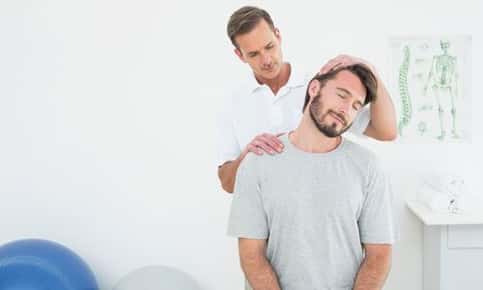
Everyone knows the old adage that declares "an ounce of prevention is worth a pound of cure." This time-honored wisdom certainly makes sense. We wouldn't wait until we were riding on the wheel rim before we repaired a leaking automobile tire. We wouldn't wait until there were obvious signs of termite damage to our home before calling in the pest control experts. But, in contrast, many of us fail to implement the same kinds of straightforward preventive measures to help ensure appropriate levels of physical fitness and ongoing good health.
The main problem with preventive measures is that they consume time. The adage, however, implies that much more time will be spent, as well as financial resources that could be better directed toward other projects, in trying to cure damage, illness, or disease that would likely have been prevented by consistently taking a few necessary steps. In the case of achieving wellness, most people are aware of the need for good nutrition and regular exercise. But even with this awareness, many people persist in avoiding taking the time to do the things they need to do to retain and maintain robust good health.
What is missing is the commitment to be the person who accomplishes such goals. Change comes from within, as is asserted by another well-known aphorism. In order to take on meaningful change, despite the implication that there is going to be a certain expenditure of time and some inconvenience, the value of the activity needs to outweigh the costs. This means a person needs to be willing to authentically choose to take long-term actions in the areas of healthy eating and exercise. Sometimes it takes a wake-up call to get going, but it's much better, in the context of "an ounce of prevention," to start to make things happen before a real problem develops.
Many people will persist in their habits and resist the self-creation of more healthy lifestyles, as demonstrated by the ongoing worldwide epidemics of obesity and type 2 diabetes. But many others will one day get out of bed in the morning and experience the sensation of being sick and tired of being sick and tired. On that day, such a person will have the immediate realization of the great value to be obtained in taking care of oneself, despite the short-term costs of time and effort. These "aha moments" are the inspiration for many to adopt and maintain a range of healthy lifestyles, with the result of long-term health, happiness, and well-being.
Another well-worn yet still meaningful adage is "If it's going to be, it's up to me." Although friends may tell us what they think we should do, and loved ones may attempt to instruct us in hopes of bettering our welfare, most of us have a fairly ingrained resistance to following the recommendations of others if those recommendations didn't match up with our own already developed plans.
It may be that many friends and loved ones have recommended regular chiropractic care to us over months or even years, with the intention of helping us obtain better overall health. When the time comes when we begin to realize how valuable good health actually is, we will discover for ourselves the value and importance of regular chiropractic care. We will then want to sure that we're getting the most out of our good nutritional practices and the time spent engaging in regular exercise, and we will find that regular chiropractic care helps us do so. By detecting and correcting spinal misalignments and optimizing functioning of the nerve system, our body's master system, regular chiropractic care helps us achieve our goals of long-term health and wellness.
Your IQ that's measured in school has to do with problem solving - mental gymnastics. Your spinal IQ also has to do with problem solving - these are "problems" of the physical kind.
How far to bend over to lift those grocery bags out of your car's trunk? How much muscle force is necessary to pick up and carry your five-year-old child? What specific muscles are needed to maintain your "downward dog" position for 30 seconds in yoga class? How far can your back muscles stretch when you do a back bend at the ballet barre? These are the problems your spinal IQ tries to solve.
Spinal IQ is an inborn ability. Our bodies were designed for the rigors of physical work - they are very smart and very adaptable. One of our built-in control systems is the specialized set of nerve endings known as proprioceptors.
Proprioception is our internal awareness of position in three-dimensional space.1,2 This three-dimensional positioning allows us to keep our balance when we walk or run. Proprioception tells our muscles and joints how to work together to throw a baseball from third to first, to drive to the basketball hoop and sink a lay-up, or to hit a tennis ball to the corner of the opponent's service box and win the point.
Proprioception is very important in spinal IQ. The spine is a complex system of bones, joints, muscles, and ligaments - a smart proprioception system helps all the parts work together smoothly and seamlessly.
To keep all the parts functioning we need to take an active role. In modern society, if we're not proactive, it's easy for our bodies to break down. Two key strategies for maintaining high levels of spinal IQ are regular strenuous exercise and regular chiropractic check-ups.
Exercise helps our bodies stay smart.3 When we exercise, our joints are mechanically stressed and challenged throughout their complete ranges of motion. This activity stimulates proprioceptors - training them to do their job well and building new and stronger connections between nerve cells. Exercise also builds muscle strength and flexibility, and in the process the muscles are getting smarter, too.
Chiropractic care enhances the benefits of your exercise program by helping ensure optimal functioning of your spine and nerve system. With regular chiropractic care, your proprioceptive system is optimized and your body's ability to adapt to physical challenges is restored.
Your chiropractor will be glad to assist you in designed an exercise program that will work for you, helping you to improve your spinal IQ and your health.
1Armstrong B, et al: Head and neck position sense. Sports Med 38(2):101-117, 2008
2Chow DH, et al: Changes in spinal curvature and proprioception of schoolboys carrying different weights of backpack. Ergonomics 50(12):2148-2156, 2007
3Akuthota V, et al: Core stability exercise principles. Curr Sports Med Rep 7(1):39-44, 2008
"Who you are speaks so loudly I can't hear what you're saying." This truism is well-known in human potential circles and can often be heard at personal growth-and-development seminars. But the implications of this meaningful phrase are often ignored in our day-to-day activities and relationships. Sometimes we pretend that others are unable to see through our facade of words and that they cannot recognize our hidden qualities, desires, and intentions.
In the world of Snow White, Sleepy, Grumpy, Bashful, and Happy were exactly that. The dwarves were their names! In our world, though, Madison, Cassidy, Jason, and Patrick don't help us out that much. But people unknowingly present many signposts that function equally well as do names of the dwarves from Snow White. Tone of voice, eye contact, posture, and facial expressions are some of the clues to what's really going on. In fact, if one is able to pay attention and accurately interpret the information available, other people might just as well be holding up pictures of the Seven Dwarves in front of their faces. The character of their inner selves is clear.
Other people really do know what's going on with us. If we could get the full impact of this powerful proposition, all of our interactions would benefit. Also, our stress levels will usually go down. When we're interacting meaningfully and communicating clearly, we become less stressed. The unlooked-for benefit is our health improves as a result.
Here's a quick way to get how you're being in the world. Do dogs growl when they pass you on the street or when you enter the home of a dog and its human companions? Similarly, do cats hiss at you? When you're introduced to a baby or toddler, does the kid start to fuss or cry? These are all pretty good signs of a certain kind of personal vibe.
The flip side is also accurate. When dogs see you, do they start licking your hand, jumping around, and generally letting you know they want to play? Do cats rub around your legs and purr? Do babies smile and gurgle at you? Do little kids show you their toys and smile shyly at you? These are all signs of a different kind of vibe.
Animals and young children are excellent barometers of the qualities of the people around them. Who you are being is not a mystery to them. They get it all. Many of us lose this inner sight and interact with others based on what they say. In this respect, everyone loses - we think if we say the right words, it'll all be ok.
The notion of being-in-the-world is important in health care interactions. The doctor you've waited two hours to see says nice words, but you sense he doesn't really care - he just wants to move on to the next patient. Likewise at the front desk - they're perfectly polite, but you're aware they're super-stressed and can't wait to get out the door themselves.
In contrast, chiropractors are aware of the importance of the human component of their interactions with patients. A chiropractor's office is a welcoming environment - people often say their chiropractor's office "feels just like home". You get the sense your chiropractor is authentically interested in your health and well-being, making sure to take the time to really listen to your concerns and make sure you're getting the service you need. Chiropractic is a healing profession and the quality of the doctor-patient relationship is an important part of the healing process.
1Seedat S, et al: Life stress and mental disorders in the South African stress and health study. S Afr Med J 99(5 Pt 2):375-382, 2009
2Beeri MS, et al: The effects of cardiovascuclar risk factors on cognitive compromise. Dialogues Clin Neurosci 11(2):201-212, 2009
3Koetaka H, et al: Long-term effects of lifestyle on multiple risk factors in male workers. Environ Health Prev Med 14(3):165-172, 2009